
꿀과 소금, 그리고 물로 걷는 일
아스트리다 네이마니스와 함께
2025.6.8
~~~
와, 정말 오랜만에 그 이야기를 떠올렸어요. 꿀과 소금.
이건 실제 이야기예요.
제 할머니는 굉장히 자존심이 강한 분이셨어요. 아주 매력적인 분이었고요. 제가 태어나기 전 사진들을 보면, 화려한 머리 모양에 맞춤으로 만든 옷들을 입고 계세요. 하지만 사실 그때 그들은 굉장히 가난했어요. 라트비아에서 캐나다로 피신해 올 때도 그랬고요. 할머니는 늘 외적인 품위를 유지하려고 애썼던 것 같아요. 라트비아에서도 부유하지는 않았지만, 그렇다고 아주 가난한 것도 아니었고요. 그냥 어떤 ‘자기 자신에 대한 감각’을 끝까지 지키고 싶어 했던 분이었어요.
할머니는 제게 이 이야기를 여러 번 들려주셨어요. 물통들을 들고 걸어야 했던 이야기요. 그리고 항상 아주 단호하게 강조하셨던 부분이 있었어요. 남편의 여동생, 그러니까 시누이가 말을 타게 해주지 않았다는 거예요. 할머니는 당시 제 어머니를 임신한 지 여덟 달이었는데도요. 그 시누이 역시 나중에 캐나다로 이주했고, 우리가 어릴 때 가까이 살았기 때문에 저도 알고 지냈어요. 제게는 큰이모 같은 분이었죠.
이상하게도 저는 그 이야기들을 또렷하게 기억하지 못해요. 파편처럼 흩어진 기억으로만 남아 있어요. 그래서 그 이야기들을 기록해두지 못한 게 늘 아쉬워요. 지금 저희 어머니께 물어보면, 어머니는 가십을 정말 싫어해서 그런지, 늘 “그런 얘기 다 사실 아니야. 들리는 말 믿지 마”라고 하세요. 그런데 요즘 어머니도 나이가 들면서, 가끔 젊었을 때의 아주 개인적인 이야기들을 들려주세요. 그게 정말 아름다워요.
우리 가족은 모두 걷는 사람들이에요. 정말로요. 우리는 다 함께 아주 먼 거리를 걷습니다.
이 글을 써달라는 부탁을 받았을 때, 요이의 작업의 제목이 〈내가 헤엄치는 이유〉라는 것을 알고 있었어서였을까요. 당연히 저도 역시 ‘왜 나는 수영하는지’에 대해 쓰게 될 거라고 생각했죠. 그런데 계속해서 제게 돌아온 질문은 ‘왜 나는 걷는가’였어요.
곰곰이 생각해보니, 제 작업은 언제나 물과 연결되어 있고, 물은 늘 젖은 심장처럼 그 중심에 있어요. 하지만 실제 실천은 수영이 아니었어요. 제 실천은 물을 찾아가는 일이었어요.
왜 이 말을 하면 이렇게 감정이 올라오는지 모르겠어요. 지금 말하면서도 목이 메네요.
이 글을 쓰면서 정말 아름다운 깨달음을 얻었어요. 제가 참여하게 된 그 레지던시는 너무나도 특권적인 자리였거든요. 다섯 명, 혹은 여섯 명 정도였고, 밴쿠버의 벨킨 갤러리에서 주최했지만, 스톨로(Stó:lō) 아티스트이자 작가인 딜런 로빈슨이 함께했고, 참여한 다른 예술가들은 모두 터틀 아일랜드의 원주민들이었어요. 밴쿠버 지역, 아니시나아베, 카나스타케 등 아주 다른 지역에서 온 사람들이었죠.
그들은 모두 ‘도착의 프로토콜’을 알고 있었어요. 다른 이의 땅에 들어갈 때 무엇을 해야 하는지 바로 알고 있었죠. 땅과 물에 자신을 소개하러 가야 한다는 걸요. 그들에게 그것은 낯설거나 두려운 일이 아니었어요. 무엇을 하게 될지 몰라도, 우선 자신을 소개하는 것이 먼저라는 걸 알고 있었어요.
반면 저는요.
저는 스스로를 예술가라고도 잘 생각하지 않고, 당연히 이 땅의 원주민도 아니었어요. 그래서 스스로에게 물었죠. 나의 닻은 무엇이지?
너무 불안했고, 사기꾼 같은 기분이 들었고, 마음이 전혀 안정되지 않았어요.
그래서 계속해서 제 자신에게 물어야 했어요.
“너의 실천은 무엇이니?”
“다른 사람들이 하는 걸 따라 하려고 하지 말고, 관찰하고 배우되 흉내 내지는 마.”
“너에게는 네 실천이 있어. 그게 뭐야?”
처음에는 보트를 타고 나가서 하이드로폰을 물에 넣고 듣는 상상을 했어요. 하지만 아니었어요. 그건 제 실천이 아니었어요. 저는 하이드로폰이 있지만, 자주 쓰지 않아요. 왠지 초대받지 않은 도청처럼 느껴지거든요.
그래서 계속 되뇌었어요.
너의 실천은 무엇인가?
그리고 답은 분명했어요.
걷는 것. 나는 물로 걷는다.
그 순간, 제가 기획했던 수많은 사건들이 떠올랐어요. 언제나 사람들은 물로 걸어갔어요. 계속해서, 반복해서.
제 동료이자 친구인 시인 리타 웡은, 자신의 장소가 우리가 있던 버라드 인렛 근처가 아니라고 했어요. 대신 산으로, 감시초소로 올라가야 한다고 했죠. 킨더 모건 파이프라인 건설을 감시하던 곳이었어요. 파이프라인은 이미 건설됐지만, “뱀의 머리”는 여전히 지켜봐야 한다고 했어요. 계속 그곳에 머물며 감시해야 한다고요.
저는 늘 리타의 실천에 깊이 감동해왔지만, 동시에 마음 한편이 불편했어요. 우리 모두는 여기 있는데, 그녀만 저 위에 있다는 느낌. 그래서 어떤 생각이 떠올랐어요. 내 실천으로 그녀를, 우리를, 그리고 바다를 연결해야 한다는 생각.
버나비 마운틴에서 버라드 인렛까지는 30킬로미터가 넘어요. 정확히는 기억나지 않지만 30에서 40킬로미터 사이였어요. 그날은 하지였어요. 그래서 해 뜰 때 산으로 올라갔죠. 리타는 그날 밤 그곳에 없었지만, 전날 이미 방문했기 때문에 어디서 시작해야 하는지 알고 있었어요.
그래서 그냥 걷기 시작했어요. 산을 내려와 도시가 되고, 다시 동밴쿠버로 이어지는 길을 따라요. 경계로 표시된 큰 도로를 건너면 도시의 결이 달라져요. 다른 건축, 다른 주거지들. 저는 일부러 경치 좋은 길을 고르지 않았어요. 그냥 직선으로, 선을 따라 걸었어요. 그리고 끝까지, 물에 닿을 때까지.
걷는 동안 계속해서 뱀의 이미지, 머리, 표식들이 보였어요. 사진에는 남아 있지만 녹음에는 없죠. 음색과 울림, 공명의 변화도 느꼈고요.
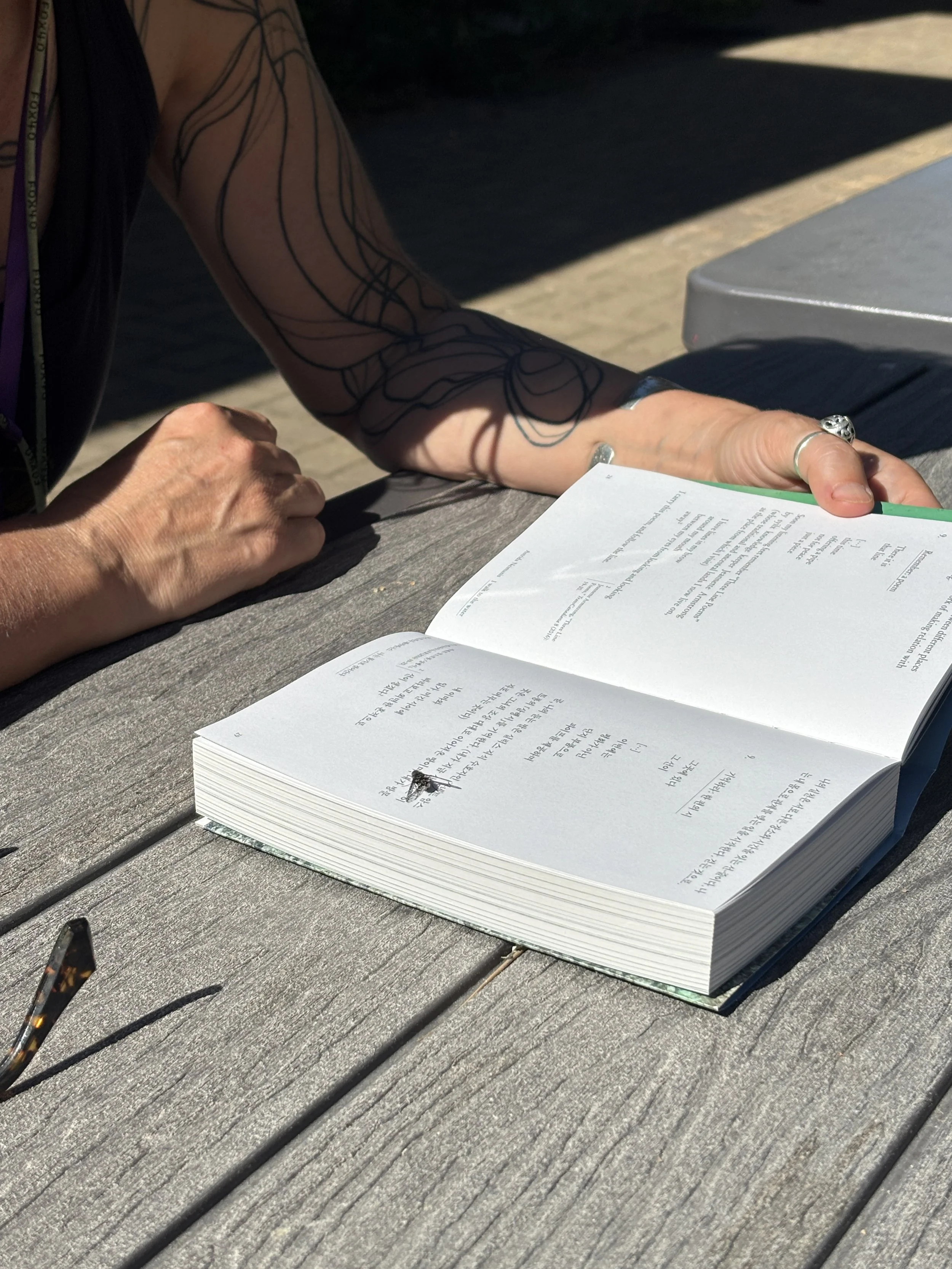
몇 달 전, 테레즈가 켈로나에 저를 방문했을 때 문신을 했어요. 아무 의미 없는 선을 그렸어요. 열린 S자 형태, 한쪽엔 달의 조각 같은 형태, 반대편엔 점 혹은 원 같은 몸체.
그런데 밴쿠버에 도착해 구글맵으로 버나비 마운틴에서 물까지의 경로를 그렸을 때, 그 선이 문신과 똑같았어요. 제 몸에 이미 그 지도가 있었던 거죠. 전혀 의식하지 못한 채로요.
카밀라는 이걸 뭐라고 불렀더라…
성스러운 우연성(sacred randomness).
그 주에는 그런 성스러운 우연들이 계속해서 일어났어요.
심포지엄에서는 준비된 발표가 필요 없었어요. 각자 10분만 나누면 됐죠. 모두가 “아무것도 준비 안 했어”라고 말했지만, 막상 올라가서는 정말 사유의 성스러운 폭탄들을 떨어뜨렸어요.
발표를 준비하면서 다시 그 질문으로 돌아갔어요.
나의 실천은 무엇인가?
그리고 전날, 갑자기 할머니의 이야기가 떠올랐어요. 물통을 들고 걷던 이야기.
지금 제가 글을 쓰며 지키려 하는 두 가지 원칙이 있어요. 규칙이라기보다는 초대이자 프로토콜이에요.
모를 때는 이렇게 씁니다.
정직한 것을 쓰자.
유용한 것을 쓰자.
할머니가 물로 가져가려 했던 것—그녀에게 유용하다고 느껴졌던 것—이 제 글쓰기 실천의 또 하나의 성스러운 안내자가 되었어요.
아름다운 글에 지쳤어요. 정직하지 않은 아름다움, 이미지와 언어만을 위해 쓰이는 글. 마치 마약처럼 독자를 취하게 하는 글. 저는 이제 묻고 싶어요. 당신은 무엇을 말하고 있는가?
아름다움은 중요하지만, 그것은 무언가를 실어 나르기 위해 있어야 해요. 정직하고 유용한 무언가를요. 아름다움 뒤에 숨는 것은 이제 충분해요.
그래서 이 걷기는, 이 실천은, 저에게 다시 한 번 상기시켜줍니다.
정직한 것을 지니고,
유용한 것을 지닐 것.
Honey, Salt, and Walking to the Water
Edited transcription of conversation with
Astrida and Yo-E from June 8, 2025
~~~
Oh wow—it’s been a while since I’ve thought about that. Honey and salt.
It’s a true story.
My grandmother was a very proud woman, very attractive. There are many photographs of her from before I was born—glamorous hair, tailor-made outfits. They were very poor, though. When they fled from Latvia to Canada, she always tried to maintain appearances. She wasn’t rich in Latvia either, but she carried herself with a particular sense of dignity.
She told me this story more than once: about carrying buckets, and about how her sister-in-law—her husband’s sister—refused to let her ride a horse, even though she was eight months pregnant. My grandmother was pregnant with my mother at the time. That sister later also ended up in Canada, living close by, and I knew her when I was young—my great-aunt, I suppose.
I don’t know why I don’t remember these stories more clearly. They come to me only in fragments. I wish I had recorded them. When I ask my mother now, she dismisses them—she hates gossip. She’ll say, “None of that’s true. Don’t believe what you hear.” But lately, as my mother has been aging, she sometimes shares very private stories from her youth. It’s really beautiful.
My whole family are walkers. We all walk—long distances.
When you asked me to write this piece, I knew the title would be Why I Swim. Of course, I thought, I’ll write about why I swim. But the only thing that kept returning to me was why I walk.
I realized that while my practice is deeply involved with water—water is always its wet, beating heart—the practice itself isn’t swimming. The practice is finding the water. I don’t know why that makes me emotional, but even saying it now, I feel myself choking up.
Writing this piece was especially meaningful because I had just arrived at a residency that I felt incredibly privileged to be part of. There were five or six of us. It was hosted by the Belkin Gallery in Vancouver and led by Stó:lō artist and writer Dylan Robinson. Most of the other artists were Indigenous to Turtle Island—coming from Coast Salish, Anishinaabe, and Kanien’kehá:ka territories, from very different places across the country.
They all knew their arrival protocols. They knew what to do when entering someone else’s territory. They knew they had to introduce themselves to the land and to the water first. It didn’t seem confronting to them not to know what they would be doing—trusting that it would come after that initial introduction.
And then there was me. I don’t even really think of myself as an artist, and I’m certainly not Indigenous to these lands. I kept asking myself: What are my anchors here? I felt very nervous, very unsettled—almost fraudulent.
So I kept asking myself: What is your practice?
Don’t worry about what other people are doing. Observe them, learn from them, but don’t try to copy them. You have a practice. What is it?
I had imagined going out on a boat, lowering a hydrophone into the water and listening. But I realized that wasn’t my practice. I own a hydrophone, but I rarely use it—it feels a bit like uninvited eavesdropping.
So I kept repeating the question: What is your practice?
And the answer came clearly: walking. I walk to the water.
I remembered all these events I had organized over the years—everyone was always walking to the water.
Around that time, my colleague and friend Rita Wong, a Chinese-Canadian poet living on Coast Salish territories, said that her site wouldn’t be near Burrard Inlet, where we all were. She told us she would be up on the mountain, at the watch house. That’s where she felt she needed to care for the water—at a site she had already spent years monitoring the Kinder Morgan pipeline. Even though the pipeline had been built, what she called “the head of the snake,” she insisted that vigilance was still necessary.
I’ve always been deeply moved by Rita’s practice. But something felt wrong to me. We were all together, and she was up there alone. She never said she was lonely—but still, the feeling stayed with me.
So an idea came to me: I needed to use my practice to connect her to us, and to the ocean.
The distance from Burnaby Mountain to Burrard Inlet is over 30 kilometers—somewhere between 30 and 40. It was the summer solstice. I decided I would wake up at sunrise and begin there. Rita wasn’t at the watch house when I arrived—she hadn’t stayed overnight—but I had visited her the day before, so I knew where to start.
I walked down Burnaby Mountain, which gradually becomes the city of Burnaby, and then further into East Vancouver. At Boundary Road—the line dividing Burnaby and Vancouver—the city shifts. Different architectures, different neighborhoods. I walked through all of it. I didn’t choose the scenic route; I chose the line. I followed it all the way to the water.
Along the way, I kept noticing signs—serpents, the head of the snake. You don’t hear this in the recording, but in the photographs I took, these images kept appearing. I also felt shifts in tone, timbre, and resonance.
A few months earlier, I had gotten a tattoo while my friend Therese was visiting me in Kelowna, along with my collaborator Jennifer Hamilton. Therese suddenly suggested we all get tattoos. I didn’t have anything in mind, so I drew a simple line—an open S-shape, with something like a crescent moon on one end and a dot or circular body on the other. It didn’t mean anything to me at the time.
But when I arrived in Vancouver and mapped my walking route on Google Maps, the line was exactly the same. The circle, the curve—it all matched. The map my body traced months later was already on my body. I had the map before I knew it.
As I walked through Vancouver, I kept encountering that same line again and again. Camila calls this sacred randomness. And that week, sacred randomness was everywhere.
There was no expectation for what we would present at the symposium. We each had ten minutes. Everyone said they hadn’t prepared anything—and then stood up and released these incredible, concentrated bursts of thought, like small sacred grenades.
As I prepared, I kept returning to the same question: What is your practice?
I planned to talk about how I had to tune into my own practice. Then, the day before presenting, I remembered my grandmother’s story—walking, carrying those buckets. It resonated deeply.
It connected to another part of my practice I’ve been cultivating as a writer. I don’t call them rules, but rather guidelines—protocols, perhaps. When I don’t know what to write, I tell myself: Write what is honest. Write what is useful.
The image of my grandmother carrying what she believed would be useful to the water has become another sacredly random guide for my writing.
We often talk about the material and the immaterial, about honesty and usefulness. We need both. I’ve been writing long enough to know that I can write beautifully, poetically. But I’m exhausted by beautiful writing that isn’t honest—writing that exists only for its imagery, that sedates the reader like a narcotic.
I want to know: What are you actually saying?
Why does the beauty of the language need to carry something that is important, honest, and useful?
I love that academic writing has opened up to beauty and poetry—but that alone isn’t enough. Beauty can become a mask, something people hide behind so they don’t have to admit they don’t know what they’re saying.
Of course, we all stumble. We all search for our voices. That’s necessary. But now, if I’m going to put something into the world, I have to know what I’m saying. And it has to be honest.
That’s hard—because it means being honest about what I don’t want to face, what I’m not yet ready to understand, what I’m not yet knowledgeable enough to articulate. I can’t hide behind language anymore.
This walk was a reminder to carry what is honest, and to carry what is useful.
—
물 너머 듣기 Listening Beyond Water
본 사업은 2025 제주문화예술재단 국제교류 사업의 지원으로 이루어졌습니다.
주최/주관: 캐나다 브리티시컬럼비아 대학 필드랩 FEELed Lab, 언러닝스페이스
후원: 제주문화재단, 제주특별자치도